Welcoming New Patients!
How Long Do Dental Implants Last? The Long-Term Success Rate and Care Protocol


Modern dentistry has been revolutionised by dental implants, as it gave given an option for a strong, naturally beautiful replacement tooth. Patients receive the confidence to smile and can enjoy normal functionality without worrying that their denture will loosen. Yet overall, it is really dependent upon oral health behaviours, bone quality, and personal habits.
The path for each implant is unique, but good care and checkups are key. Some last decades, while others fail early due to lack of proper care or health complications. Why do they last so long, and how can implants be designed to last a lifetime?
Anatomical Structure of a Dental Implant: Built to Last
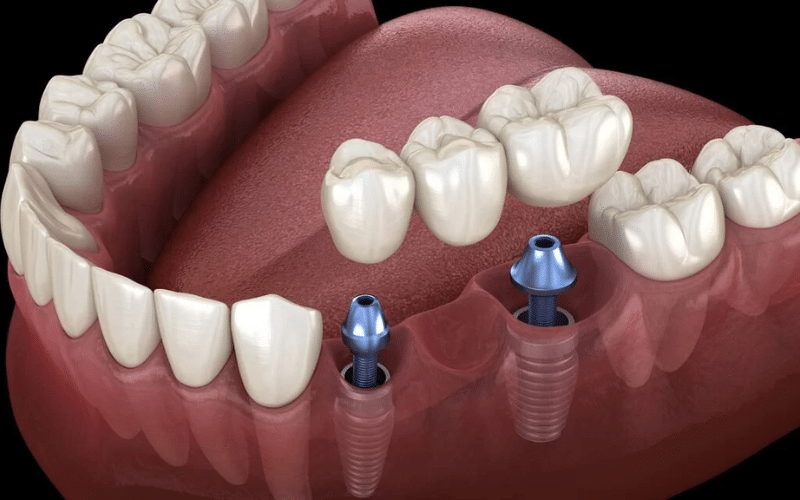
A dental implant has three main components: the fixture, the abutment, and a crown. The implant, commonly titanium, is then fused into the jawbone to provide a stable support. The abutment serves as a connection between the crown and fixture and provides support for speaking and eating. The durable crown is designed to replace the shape and function.
All of these components replicate teeth and help keep the jawbone from shrinking. Dental implants will keep everything where it is supposed to be, maintain facial structure, and hold up under the stress of real life. Thus, they become one of the most predictable long-term restorations in dentistry.
How Long Do Dental Implants Really Last?
Most dental implants in Frisco last between 15 to 25 years, and sometimes longer. Both studies and the ADA agree that there is a 95-98% success rate with implants after ten years. Sometimes the standing of the augmentation will stretch out forever, which requires consistent cleanings plus check-ups.
However, the crown may require replacement after 10–15 years due to constant wear. Routine dental care helps in better patient outcomes and survival. Implants are successful if they are supported by strong gums, solid bone, and disciplined oral hygiene practices.
What Determines Dental Implant Longevity?
Oral hygiene habits: Brushing the teeth twice daily and flossing to prevent plaque buildup.
Lifestyle behaviors: Don’t smoke, reduce alcohol intake, and manage bruxism for stability.
Bone health and density: Have a healthy jawbone for full support of the implant.
Professional treatment: Go to the dentist every six months for professional cleaning.
Regular oral care, proper diet, and visits to the dentist maintain implants fully functional and handsome. Lack of attention hastens problems such as inflammation and bone degradation, diminishing the life of the implants significantly. Implants depend on long-term commitment to and care for oral health.
The Long-Term Success Rate: What Studies Reveal
Extensive studies verify that implants demonstrate more than 95% success rates after a decade. Immediate-load implants might have more issues than conventional placements.
Variables such as bone density, smoking, and diabetes control determine outcomes. Those who are younger generally have more successful integration due to healing bones that recover faster.
Implan
It works invariably with good care and dental cleaning. Even successfully implanted ones, however, require maintenance. These statistics are confidence-inspiring, but longevity depends on personalized attention and good habits of dental hygiene.
Implant Care and Maintenance Protocol
Daily Home Care
Brush twice daily with a soft-bristled toothbrush and mild toothpaste. Floss or interdental brushes around the implant. Clean the mouth to prevent infection.
Professional Care
Visit your dentist for professional scaling and a checkup every six months. Use nightguards if grinding at night.
Lifestyle Tips
Avoid tobacco and excessive alcohol. Eat foods rich in calcium to have strong bones. Dental implants thrive with orderly oral hygiene and scrupulous daily habits that help oral health.
When Implants Fail: Early Warning Signs
Watch for inflammation, bleeding, or implant movement. Pain or swelling may be signs of infection or bone loss. Disregarding signs may result in failure and expensive repairs. Early dental care avoids complications. Routine cleanings and radiographs identify early changes before damage is done.
Bad taste and gum tenderness also signal potential disaster. Early diagnosis ensures immediate treatment and recovery of the implant. Dental implants in Frisco fail only when maintenance falls. Professional counsel keeps them free from complications and early loss.
Implants last for decades if patients remain clean and schedule regular dental visits. Proper upkeep makes them a lifetime investment in beacons of confidence. Prioritize frequent checks by professionals and morning and evening oral hygiene routines. Keep your restoration safe by being consistent and well-informed.
Schedule an appointment with our dental office to ensure your investment is secure and enjoy a lifetime of dental confidence. A healthy lifestyle translates to dental implants as your healthiest and most reliable smile foundation for several years of active life.