
Welcoming New Patients!
What to Do in Case of a Dental Emergency: Quick Tips and Essential Actions

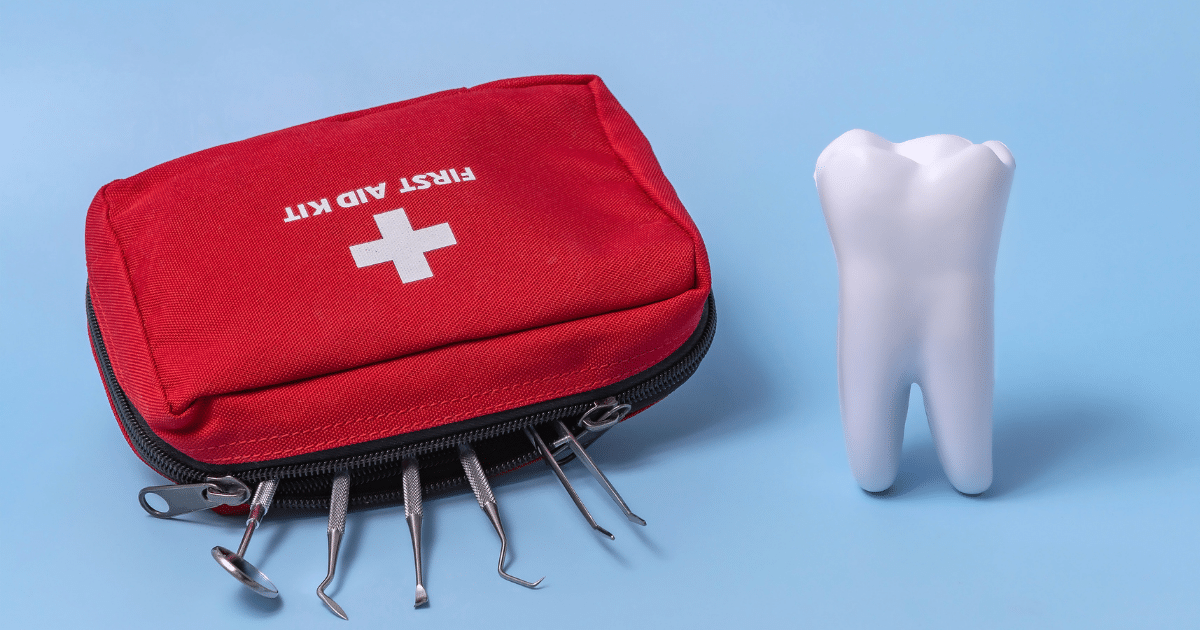
Dental emergencies can be distressing and often require immediate attention. Knowing what to do can make a significant difference in your outcome, whether it’s a sudden toothache, a broken tooth, or a lost filling. Prompt action can help manage pain, prevent complications, and preserve your smile.
Types of Dental Emergencies
Toothache
Toothaches can occur suddenly and can be incredibly painful. They might be caused by cavities, infections, or even gum disease. If you experience a severe toothache, start by rinsing your mouth with warm water. Use dental floss to remove any trapped food particles. Avoid placing aspirin directly on the aching tooth, as it can damage your gums. Over-the-counter pain relievers can help until you see your dentist.
Chipped or Broken Teeth
A chipped or broken tooth can be alarming, but it’s a typical dental emergency. If you break a tooth, rinse your mouth with warm water to clean the area. Try to save any pieces of the tooth and rinse them as well. Apply a cold compress to the outside of your mouth to reduce swelling. See your dentist as soon as possible to prevent further damage or infection.
Knocked-Out Tooth
Losing a tooth can be a traumatic experience. If your tooth gets knocked out, hold it by the crown (the part you chew with), not the root. Rinse it gently with water if it’s dirty, but don’t scrub or remove any attached tissue. Try to place the tooth back into its socket without forcing it. Store it in a milk container or a saline solution if you can’t. Seek dental care immediately, as teeth have the best chance of being saved if returned to their socket within an hour.
Immediate Actions to Take
Control Bleeding
Bleeding is common in many dental emergencies, such as injuries to the mouth or gums. To control bleeding, rinse your mouth with warm water and apply gauze to the bleeding area. Hold it in place for 10-15 minutes. If bleeding persists, use a tea bag with slight pressure. The tannic acid in tea can help clot blood. If you can’t stop the bleeding, seek emergency dental care.
Pain Management
Pain is often the most pressing concern during a dental emergency. Over-the-counter pain relievers like ibuprofen can help manage discomfort. Avoid chewing on the affected side and stick to soft foods. Applying a cold compress to the outside of your mouth can also reduce pain and swelling.
Protecting Your Teeth
If you have a dental emergency involving damage to your teeth, protecting the remaining tooth structure is crucial. Avoid chewing on hard objects and foods. Use temporary dental cement available at pharmacies to cover the sharp edges of broken teeth and protect your mouth from cuts and irritation.
Prevention and Preparedness
Regular Dental Check-Ups
Regular dental check-ups are among the best ways to prevent dental emergencies. Routine visits allow your dentist to identify and treat potential issues before they become emergencies. Cleanings and exams help keep your teeth and gums healthy, reducing the risk of sudden problems.
Protective Gear
If you participate in sports or activities that pose a risk of injury to your mouth, wearing protective gear like mouthguards is essential. Custom-fitted mouthguards provide the best protection. Additionally, vehicle seat belts can prevent injuries to your face and mouth during accidents.
Emergency Dental Kit
Having a dental emergency kit at home can be incredibly useful. Include gauze, a small container with a lid (for storing knocked-out teeth), pain relievers, and a dental mirror. Being prepared can help you manage an emergency effectively until you get professional care.
When to Seek Professional Help
Persistent Pain
If you experience persistent or severe pain that doesn’t improve with over-the-counter medications, it’s time to see a dentist. Pain can be a sign of an underlying issue that needs professional treatment.
Swelling and Infection
Swelling, especially if accompanied by fever, can indicate an infection. Infections can spread quickly and may become serious if not treated promptly. Seek immediate dental care if you notice significant swelling or signs of disease.
Broken or Loose Fillings
If a filling or crown falls out, seeing your dentist as soon as possible is essential. Temporary solutions can help protect the tooth, but professional treatment is necessary to restore it properly.
Finding a Trusted Dentist
Knowing where to turn in the event of a dental emergency is crucial. Having a trusted dentist in Frisco, or wherever you reside, ensures you receive timely and appropriate care. A good dentist will provide you with instructions on what to do during an emergency and will see you promptly to address the issue.
Dental emergencies can be frightening, but knowing what to do can make all the difference. Quick action, such as controlling bleeding, managing pain, and seeking professional help, is essential. Regular dental check-ups and preventive measures like wearing mouthguards can help avoid many common emergencies. Remember, a trusted emergency dentist in Frisco can be your best ally in maintaining oral health and handling emergencies effectively.
Stay prepared and informed to protect your smile and overall well-being. Taking the proper steps during a dental emergency can ensure you get the necessary care and minimize the risk of long-term issues.